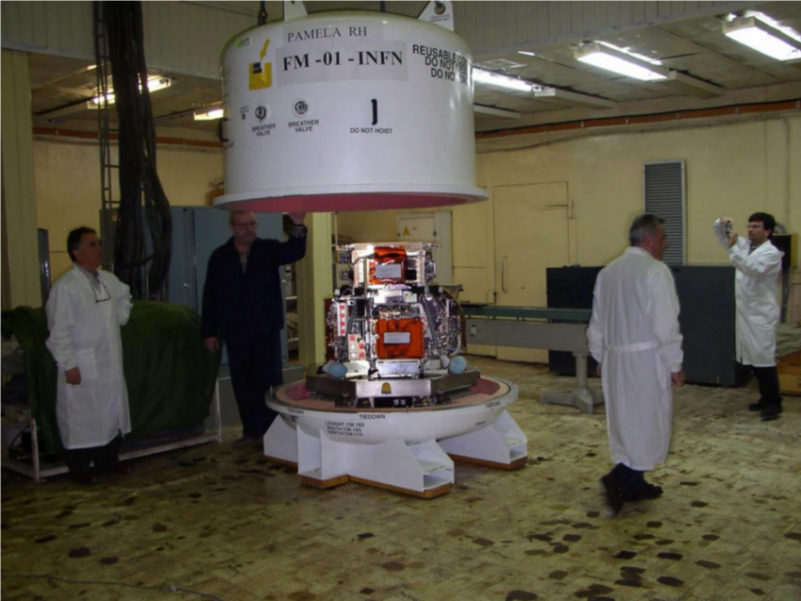
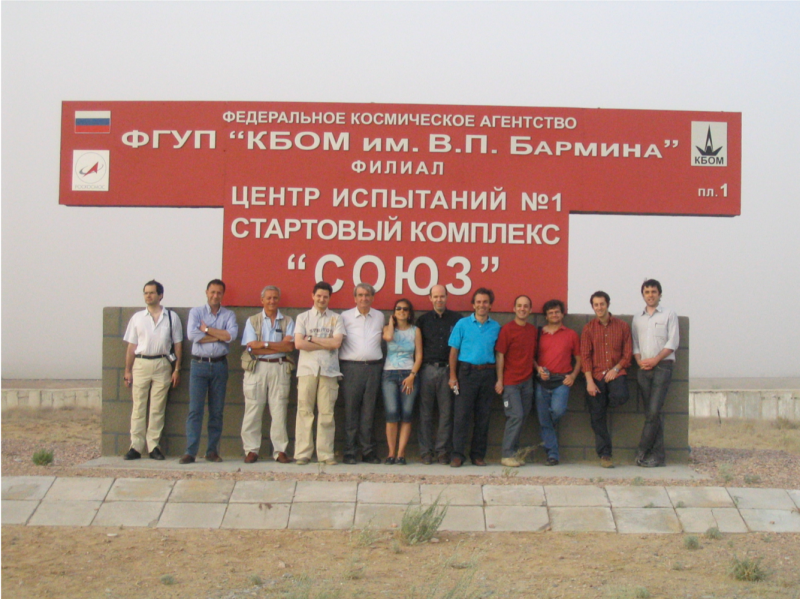
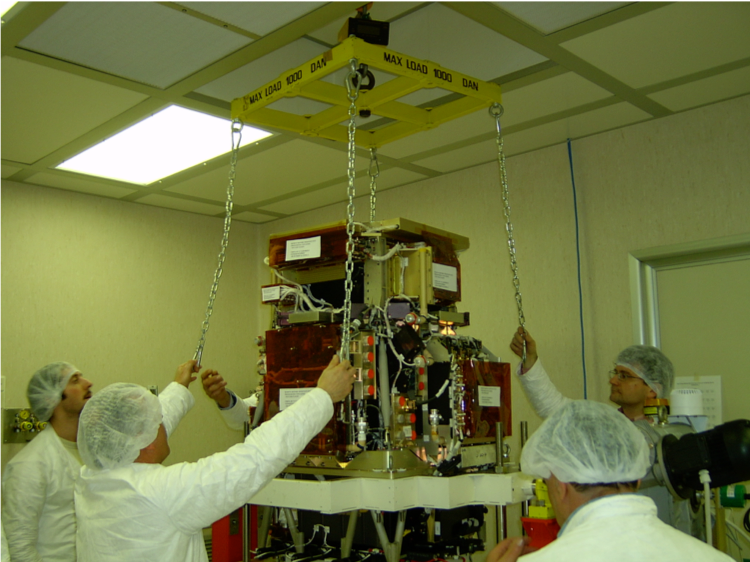
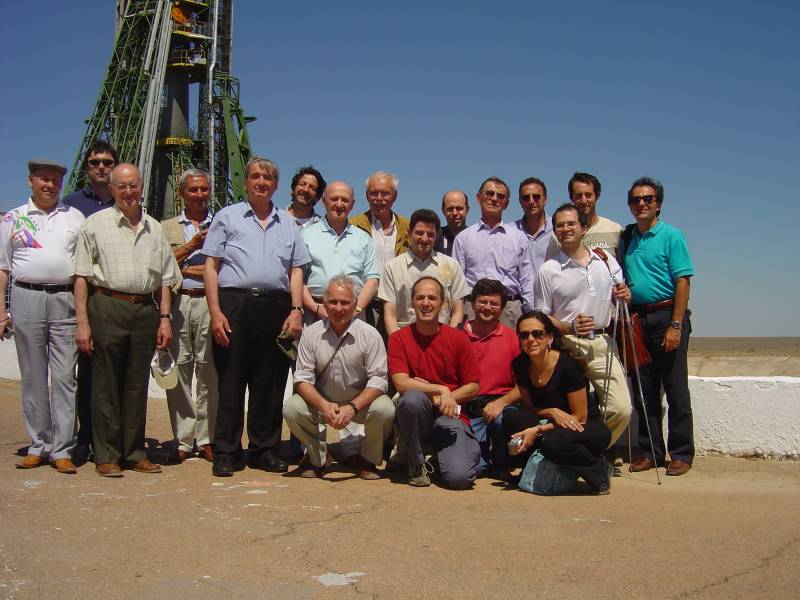
PAMELA (Payload for Antimatter Matter Exploration and Light-nuclei Astrophysics) is a space mission dedicated to the search of primordial antimatter and signals from dark matter annihilation, to the study of the mechanisms of acceleration and propagation of cosmic rays in the Galaxy, long-term monitoring of solar modulation of cosmic rays, measurements of energetic particles from the Sun, radiation enviroment around the Earth. PAMELA was launched on 15 June 2006 attached to the Russian satellite Resurs-DK1. First satellite-based magnetic spectrometer telescope, PAMELA took data for ten years until 2016, with the end of the host satellite operations.